
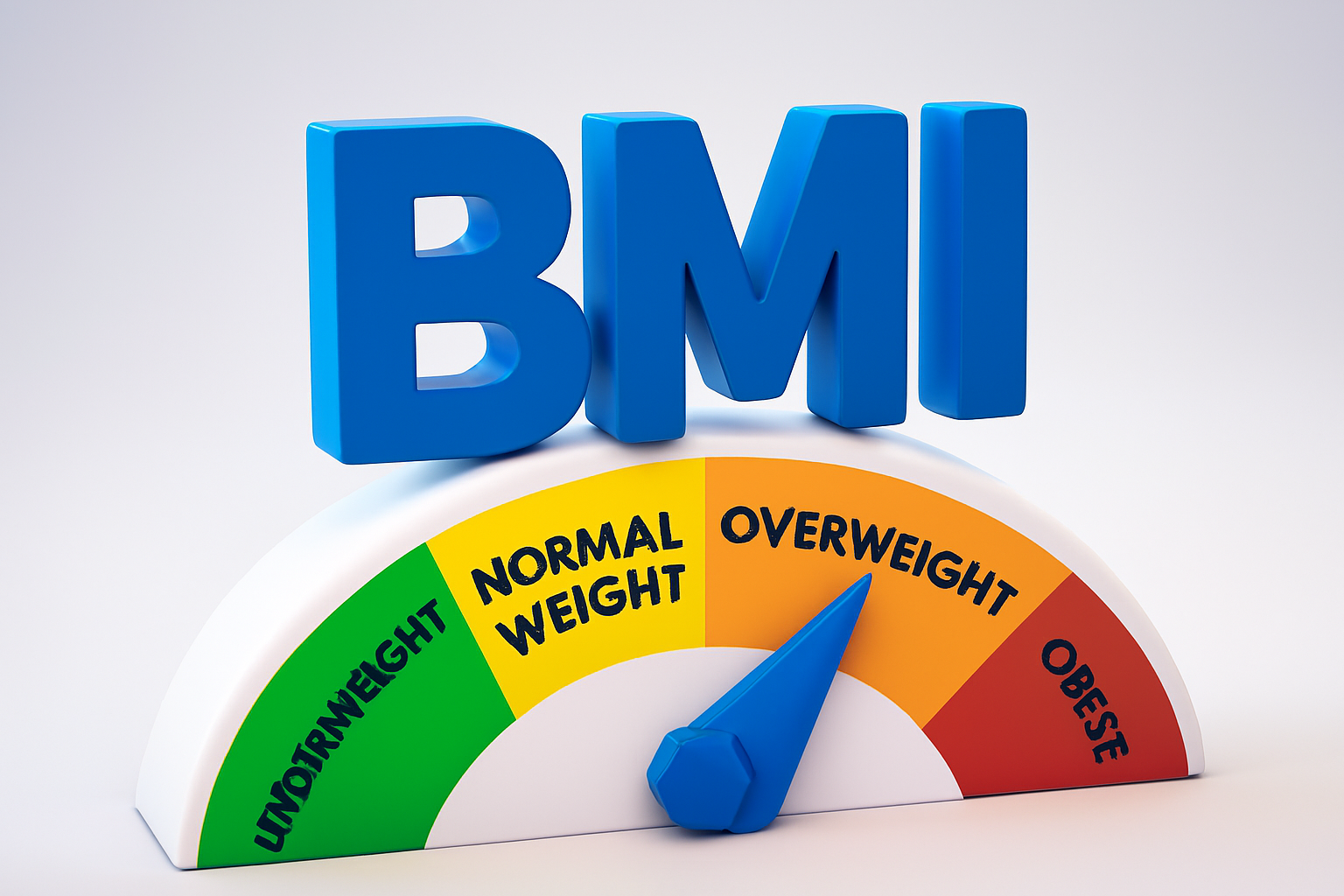
What is BMI?
What is BMI? Learn the meaning of Body Mass Index, how BMI is calculated, healthy BMI ranges, categories, accuracy, and health risks in this complete guide. You can also use our BMI calculator to provide a quick, cost-effective screening tool to estimate body fat and assess weight-related health risks by comparing height and weight.
BMI, which stands for Body Mass Index, is a common health measure that helps figure out if a person’s weight is right for their height. Doctors, nutritionists, fitness trainers, and health organizations all around the world use it to check for health hazards associated to weight. It is one of the easiest and most accessible tools for doing this. BMI doesn’t directly measure body fat, but it does give a good idea of where people fall on the weight scale, which can assist identify possible health problems.
Understanding BMI has never been more important because disorders associated to lifestyle, such obesity, diabetes, and heart problems, are growing more widespread. Knowing what BMI is and how it works can help you make better health choices, whether you want to lose weight, increase muscle, or just live a healthy life.
What is the Body Mass Index?
BMI, or Body Mass Index, is a number that comes from a person’s height and weight. The main principle behind BMI is simple: it looks at a person’s height and weight to see if they are at a healthy weight. This standardized method makes it easy to compare the weight of different people and groups.
The BMI system was first created as a statistical tool, but it was later used in medicine since it was easy to use and worked well for large-scale health assessments. It doesn’t take the place of thorough medical exams, but it is a good beginning step in finding any weight-related problems.
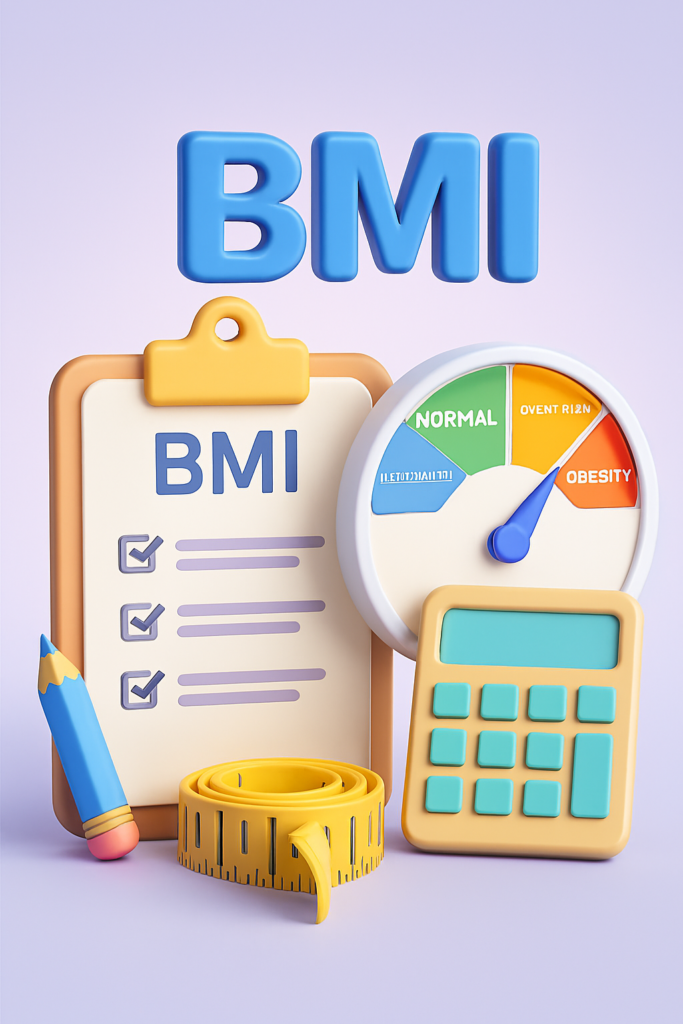
Why BMI matters for your health as a whole?
BMI is an important part of health assessments since it can help find any health problems that come with being underweight or overweight. If your BMI is outside of the healthy range, you may be more likely to get some health problems.
People with a high BMI are more prone to have problems like high blood pressure, heart disease, type 2 diabetes, joint pain, and trouble sleeping. On the other hand, those with a very low BMI may have problems including not getting enough nutrients, having a weaker immune system, having hormones that are out of balance, and having less dense bones.
People can take steps to improve their health and lower their long-term health risks by keeping an eye on their BMI.
How to Figure Out Your BMI?
A simple math formula that connects weight to height is used to figure the BMI. The formula alters significantly depending on whether metric or imperial units are used, but the idea stays the same.
To find BMI in the metric system, you divide a person’s weight in kilograms by the square of their height in meters. In the imperial system, you divide weight in pounds by height in inches squared and then multiply by a constant.
This calculation gives you one number that shows the BMI value. We then compare this value to established BMI categories to find out what your weight is.
What BMI Categories Mean?
There are groups of BMI values that might assist you understand what the number indicates for your health. These groups are used all across the world for adults and are more like general advice than a medical diagnostic.
A low BMI could mean that you are underweight, which can be caused by not eating enough and can lead to health problems. A BMI in the normal range usually means that a person’s height and weight are in a healthy balance. People with a higher BMI may be overweight or obese, which is connected to a higher risk of health problems.
People can figure out where they stand and whether making changes to their lifestyle would help by understanding these groups.
What is a healthy BMI?
Most adults should have a BMI between 18.5 and 24.9. This range is linked to the lowest chance of getting health problems related to being overweight.
But it’s vital to know that having a healthy BMI doesn’t mean you’re perfectly healthy. Diet quality, exercise, genetics, sleep, and stress levels are all vital for general health. BMI should always be seen as one element of the health puzzle rather than the single indicator of health.
Men and Women Have Different BMIs
The BMI calculation is the same for both men and women, but the way their bodies are made up is typically different. Men usually have more muscle than women, whereas women normally have more body fat because of biological considerations.
Because of this, two people with the same BMI may have distinct health profiles and body fat percentages. This is one reason why BMI should be looked at with other health indicators and with caution.
BMI with Age: How Your Body Changes Over Time?
Age is a key aspect in understanding BMI. As people grow older, muscle mass tends to decline while fat mass may rise, even if body weight remains unchanged. This indicates that an older adult can have a normal BMI yet still have too much body fat.
BMI is generally aimed for people aged 18 and above. For kids and teens, BMI is figured out the same way, but it is looked at using percentile charts that are particular to their age and gender to take into consideration growth and development.
BMI’s Limitations as a Health Measure
BMI is widely used, however it has certain problems. A typical complaint is that it doesn’t tell the difference between fat and muscle. People who are athletes or have a lot of muscle may have a high BMI even if they are in good health and have low body fat.
BMI also doesn’t take into account where fat is stored. Excess abdominal fat is more dangerous to your health than fat stored in other places, but BMI can’t tell you where the fat is in your body.
BMI should be used as a screening tool instead than a definitive diagnosis measure because of these limitations.
Body Fat Percentage vs. BMI
Body fat percentage tells you how much fat is in your body compared to your total body weight. It gives a better view of body composition, but it usually needs additional tools like bioelectrical impedance scales or medical imaging.
On the other hand, it’s straightforward to figure out BMI and doesn’t need any additional tools. Even though it’s not as accurate, it’s easy to use and great for general use and health assessments at the population level.
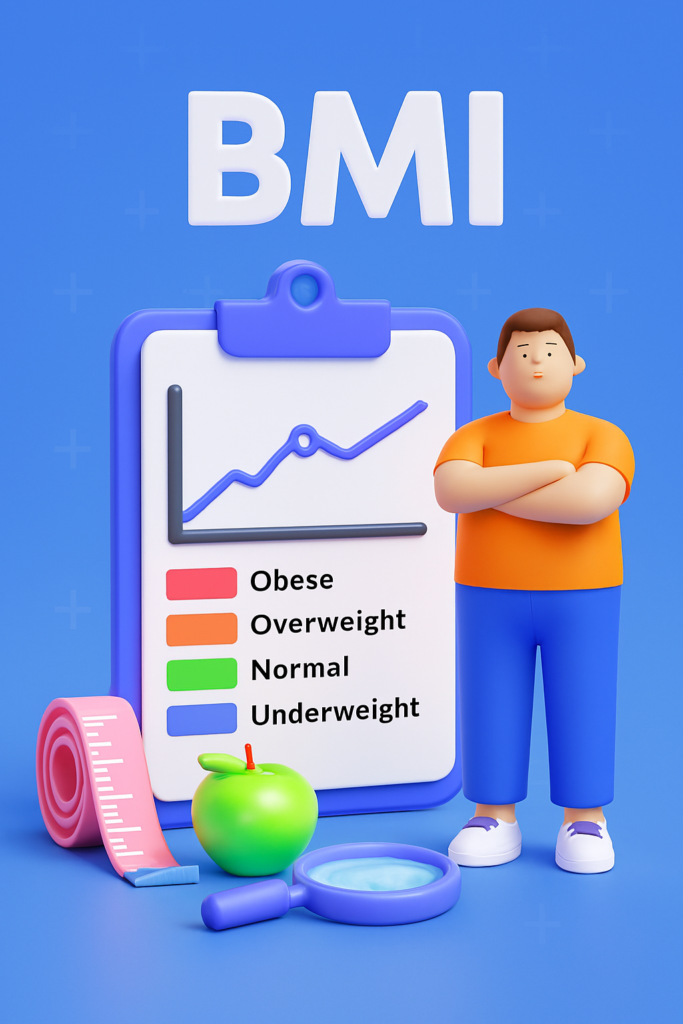
How precise is BMI?
BMI is pretty accurate for most people, especially when it comes to seeing patterns and possible health hazards. But it doesn’t work as well for those who have unusual body types, including bodybuilders, sportsmen, or elderly persons who have lost muscle.
When you add waist size, amount of physical activity, and medical history to BMI, it becomes a far better way to tell how healthy you are.
Health Risks Linked to a High BMI
A high BMI is firmly connected to a higher risk of several long-term disorders. Some of these are heart disease, high blood pressure, type 2 diabetes, some malignancies, and joint disorders including osteoarthritis.
Being overweight can also hurt your mental health by making you feel stressed, anxious, and poor self-esteem. Keeping BMI in a healthy range will greatly improve both your physical and emotional health.
Risks to Your Health from Having a Low BMI
A BMI that is too low might potentially be dangerous. People who are underweight may feel tired, lose hair, have a weaker immune system, have trouble getting pregnant, and have wounds that take longer to heal.
In severe circumstances, a very low BMI may suggest eating disorders or underlying medical concerns that require professional attention. For your body to work at its best, you need to keep a healthy and balanced weight.
How to Naturally Raise Your BMI?
To improve your BMI, you need to make adjustments to your lifestyle that will last, not only go on severe diets or look for fast cures. A balanced diet that includes whole foods, lean proteins, healthy fats, and complex carbohydrates is very important.
To keep a healthy weight and body composition, you should exercise regularly, incorporating both aerobic and strength training. For long-term success, getting enough sleep and managing stress are both very crucial.
BMI and Weight Loss Goals
People typically use BMI as a guide for their weight loss objectives, but it shouldn’t be the only thing they look at. Focusing simply on BMI might be discouraging, especially when muscle gain counters fat reduction.
Tracking improvement through better fitness, vitality, strength, and general health gives you a more complete picture of achievement.
Goals for BMI and Weight Gain
People who are underweight need to raise their BMI in a healthy way just as much as people who are overweight need to lose weight. This means eating meals that are high in nutrients, working out with weights to build muscle, and making sure you eat enough calories.
Gaining weight in a healthy way should happen slowly and be focused on making you stronger and more energetic overall.
How to Use BMI Calculators Online?
Online BMI calculators make it easy to determine BMI instantaneously by entering height and weight. You can find these tools almost anywhere, and they often come with extra features like BMI charts and health suggestions.
It’s very helpful to utilize a BMI calculator to keep track of changes over time and see how close you are to your health goals.
BMI and Other Health Tests
When paired with other health parameters like waist circumference, blood pressure, cholesterol levels, and blood sugar readings, BMI becomes more useful.
This all-encompassing approach gives a better picture of general health and helps find areas that could use some work.
Common Misconceptions About BMI
A widespread belief is that BMI is absolutely wrong and doesn’t help. BMI is a useful screening tool when used correctly, even though it has several flaws.
Another fallacy is that BMI tells you how fit or handsome you are. In truth, a lot of things outside one number affect your health and fitness.
The psychological effects of BMI
Being excessively focused on BMI can be bad for your mental health. BMI is more useful as information than as a way to judge people.
For long-term health, it’s important to have a good connection with diet, exercise, and how you see your body.
Is BMI Appropriate for All Individuals?
BMI might not be right for everyone, especially pregnant women, athletes, or anyone with certain health problems. Alternative assessments may be more suitable in certain instances.
Getting professional advice on BMI makes sure that it is understood appropriately in light of each person’s situation.
How often should you check your BMI?
BMI does not need to be evaluated frequently. Most people only need to check their BMI every few months, especially when they are changing their habits.
It’s natural for your weight to change every day or week, and you shouldn’t be worried about it.
BMI and Keeping Your Health in Check for a Long Time
Keeping a healthy BMI over time leads to better long-term health consequences. It’s more vital to stick to healthy behaviors than to reach a certain figure.
Changes that are little and endure a long time often have the best results.
Conclusion
Body Mass Index (BMI) is a simple but useful way to learn about health hazards associated to weight. It doesn’t convey the whole story, but when coupled with other health indicators, it can provide you a lot of useful information.
You may use this tool properly to help you live a healthier and more balanced life if you know what BMI is, how it is calculated, what its benefits are, and what its limits are.


What’s up, I want to subscribe for this website to obtain latest updates, thus
where can i do it please help out.
https://shorturl.fm/6V9KE